Travel after retirement should not feel like a race. There is no need to wake up before sunrise, squeeze five attractions into one day, spend hours travelling from one place to another, and return to the hotel completely exhausted. For older travellers, the real joy of a holiday often comes from having enough time to see, feel and enjoy a destination at a comfortable pace. This is exactly what Slow Travel for Seniors is all about.
Instead of asking, “How many places can I cover?” slow travel encourages you to ask, “How much can I enjoy this place?”
From enjoying a peaceful cup of tea while looking at the mountains to spending an extra hour at a beautiful temple, slow travel gives seniors the freedom to experience a destination without unnecessary pressure.
What Is Slow Travel?
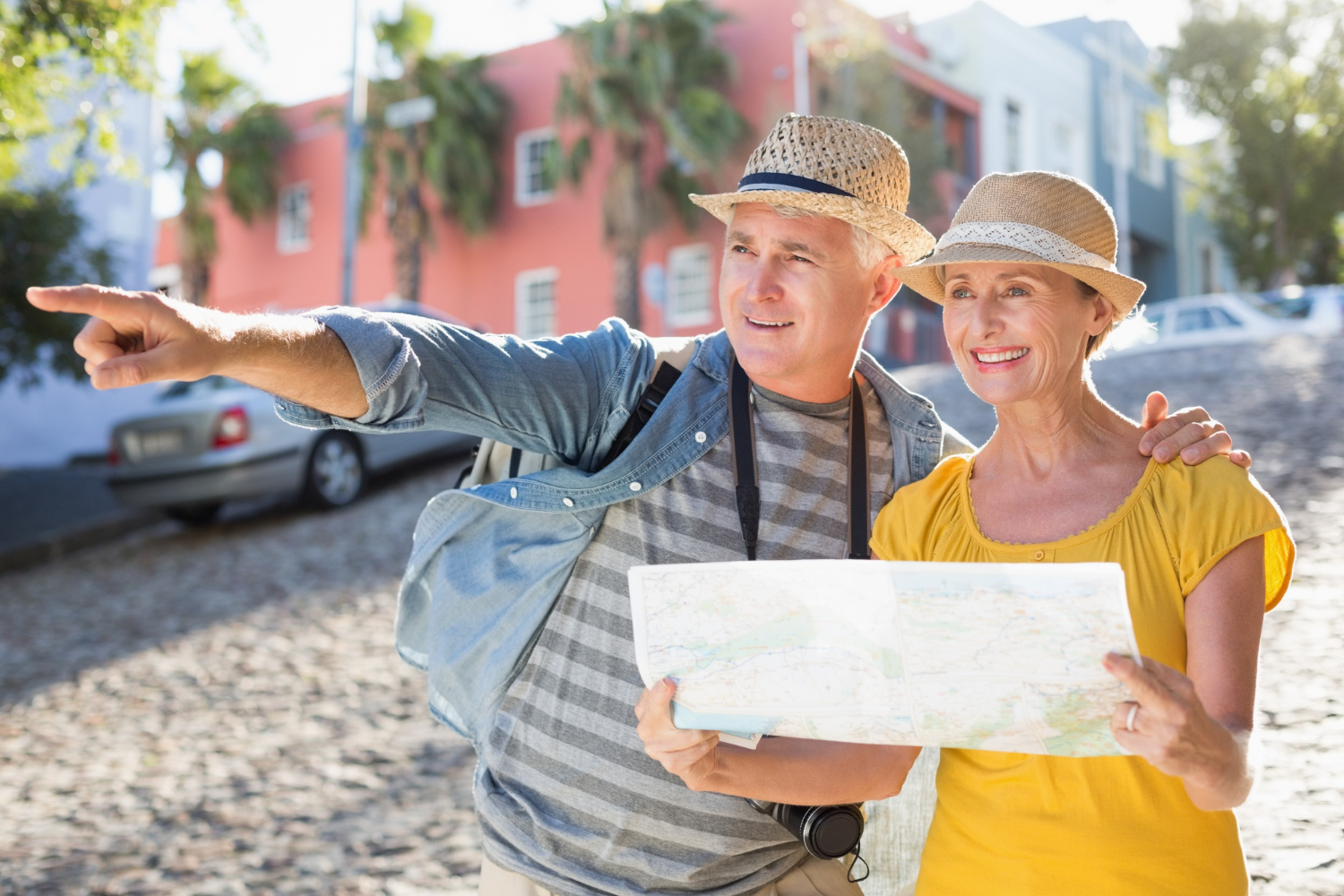
Slow travel means taking your time while exploring a destination. It focuses less on ticking places off a sightseeing list and more on enjoying the experience.
For seniors, Slow Travel for Seniors can mean staying longer at fewer destinations, choosing comfortable transport, keeping sightseeing schedules flexible and leaving enough time for rest.
Imagine visiting Rajasthan and spending three days exploring one city instead of trying to cover five cities in the same time. You can visit a fort in the morning, enjoy a relaxed lunch, take an afternoon break and explore a local market in the evening.
You see fewer places, but you experience them better.
Why Rushing Can Take Away the Joy of Travel
A packed itinerary may look exciting on paper, but it can become tiring in reality.
Constantly changing hotels, catching early-morning transfers, waiting at airports and rushing between attractions can leave seniors feeling tired rather than refreshed.
Travel is supposed to create happy memories. When every day is planned down to the last minute, there is little space for unexpected moments.
You might miss a beautiful sunset because you are rushing to the next attraction. You might skip a local café because the bus is waiting. You might even spend your holiday thinking about the next activity instead of enjoying where you are.
This is why Slow Travel for Seniors is becoming such a meaningful way to explore.
1. More Comfort, Less Physical Stress
As we grow older, the body may need more time to rest and recover after long journeys or busy sightseeing days.
Slow travel allows seniors to plan shorter sightseeing sessions with regular breaks.
Instead of spending the entire day walking, you can divide activities between morning and evening. You can also choose comfortable vehicles, lifts where available and hotels that reduce unnecessary walking.
A relaxed schedule does not mean missing out. It simply means enjoying each experience without pushing yourself too hard.
2. Stay Longer, Explore Better
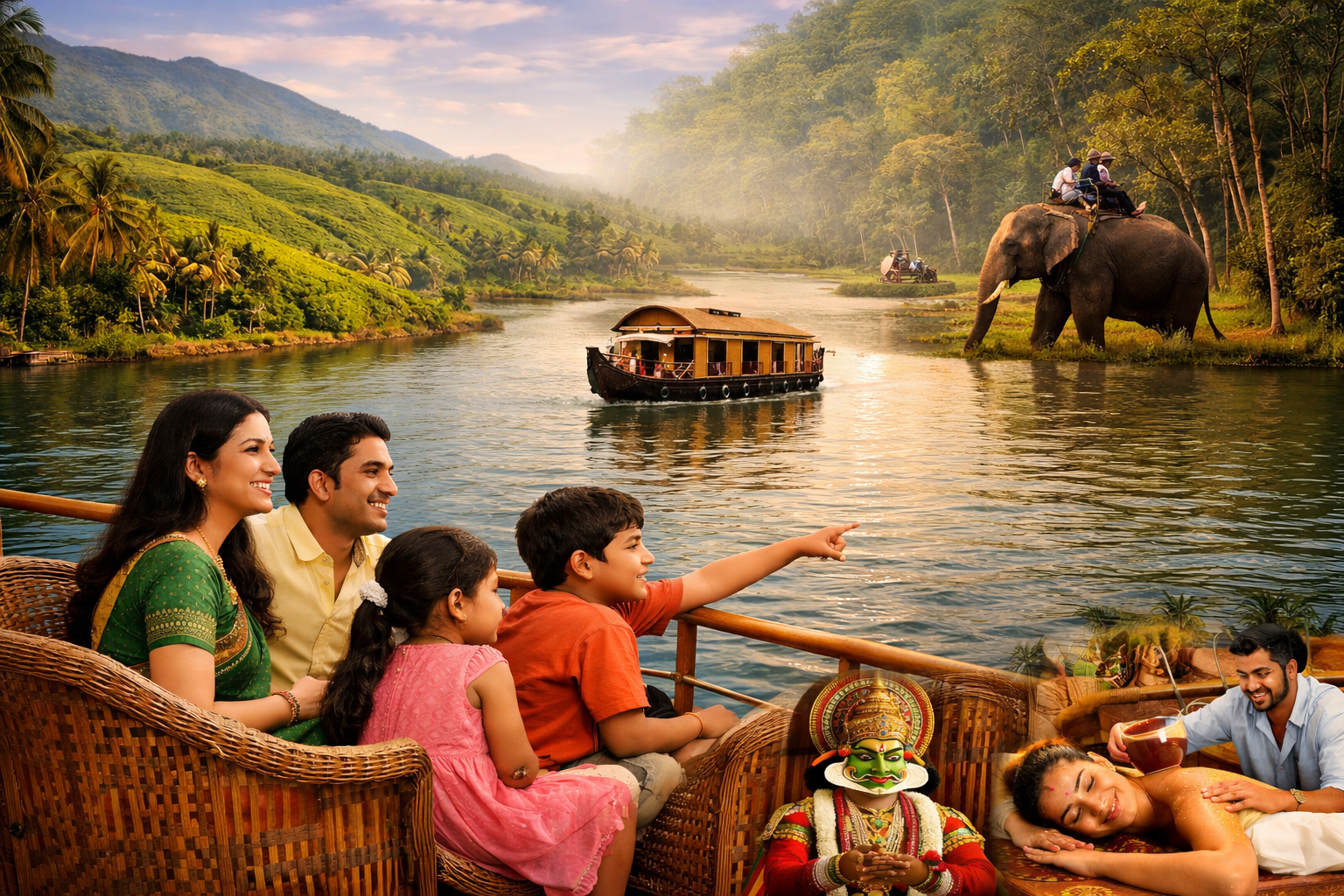
One of the biggest benefits of Slow Travel for Seniors is spending more time in one destination.
A two-day visit may only give you enough time to see the famous attractions. A longer stay allows you to understand the place.
You can explore a local neighbourhood, speak with residents, visit a traditional market, enjoy regional food and simply sit and observe everyday life.
For example, instead of rushing through Kerala, consider spending more time in places such as Kochi, Munnar or Alleppey. Each destination has its own character, and giving yourself time to enjoy it can make the trip much more memorable.
3. Make Room for Rest

Rest is not wasted travel time.
For senior travellers, a comfortable afternoon at the hotel can be just as valuable as another sightseeing stop.
After breakfast and morning sightseeing, return to the hotel for some quiet time. Read a book, enjoy a cup of tea or simply relax before heading out again.
This balance between exploration and rest is one of the key ideas behind Slow Travel for Seniors.
A holiday should leave you with beautiful memories, not a long list of aches and tiredness.
4. Enjoy Local Food Without Hurrying
:max_bytes(150000):strip_icc()/Chicken-Pot-Pie-Soup_Beauty1-2x3_Audit708696_preview-24712a536d54449f9005562b966f5bd7.jpg)
Food is one of the best ways to experience a destination.
When travelling slowly, you have more opportunities to try local dishes instead of eating whatever is quickest.
Enjoy a traditional Rajasthani meal in Rajasthan, fresh seafood in Goa or Kerala, local South Indian food in Tamil Nadu or a warm bowl of thukpa in the Himalayan regions.
Senior travellers can also choose meals according to their comfort and dietary needs. There is no need to experiment with everything at once.
Sometimes, a relaxed meal at a local restaurant can become one of the best memories of a trip.
5. Spend More Time With Family
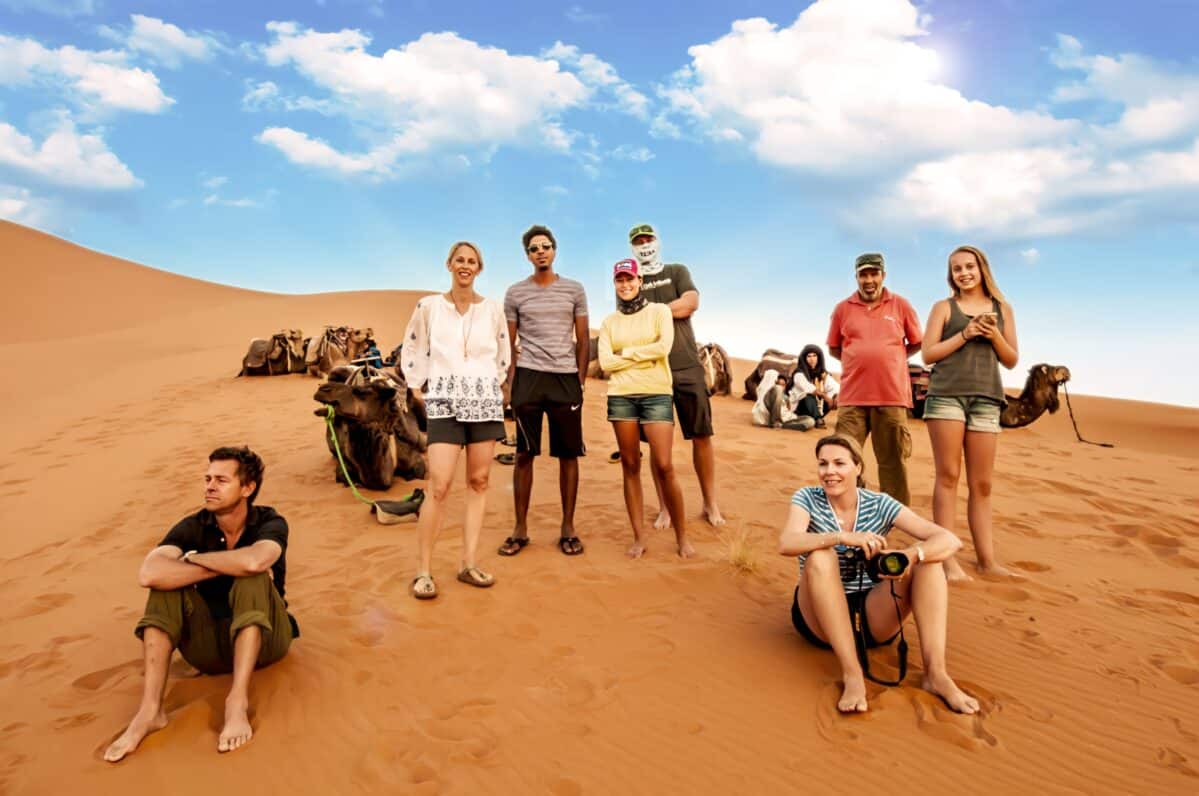
For seniors travelling with children or grandchildren, slow travel can make family holidays more enjoyable.
A rushed itinerary often means everyone is busy checking schedules. Slow travel creates opportunities to sit together, talk, laugh and share experiences.
Imagine sitting beside a lake with your grandchildren, taking family photographs at your own pace or enjoying an evening meal without worrying about the next activity.
These simple moments often become more precious than visiting another tourist attraction.
6. Choose Experiences Over Checklists
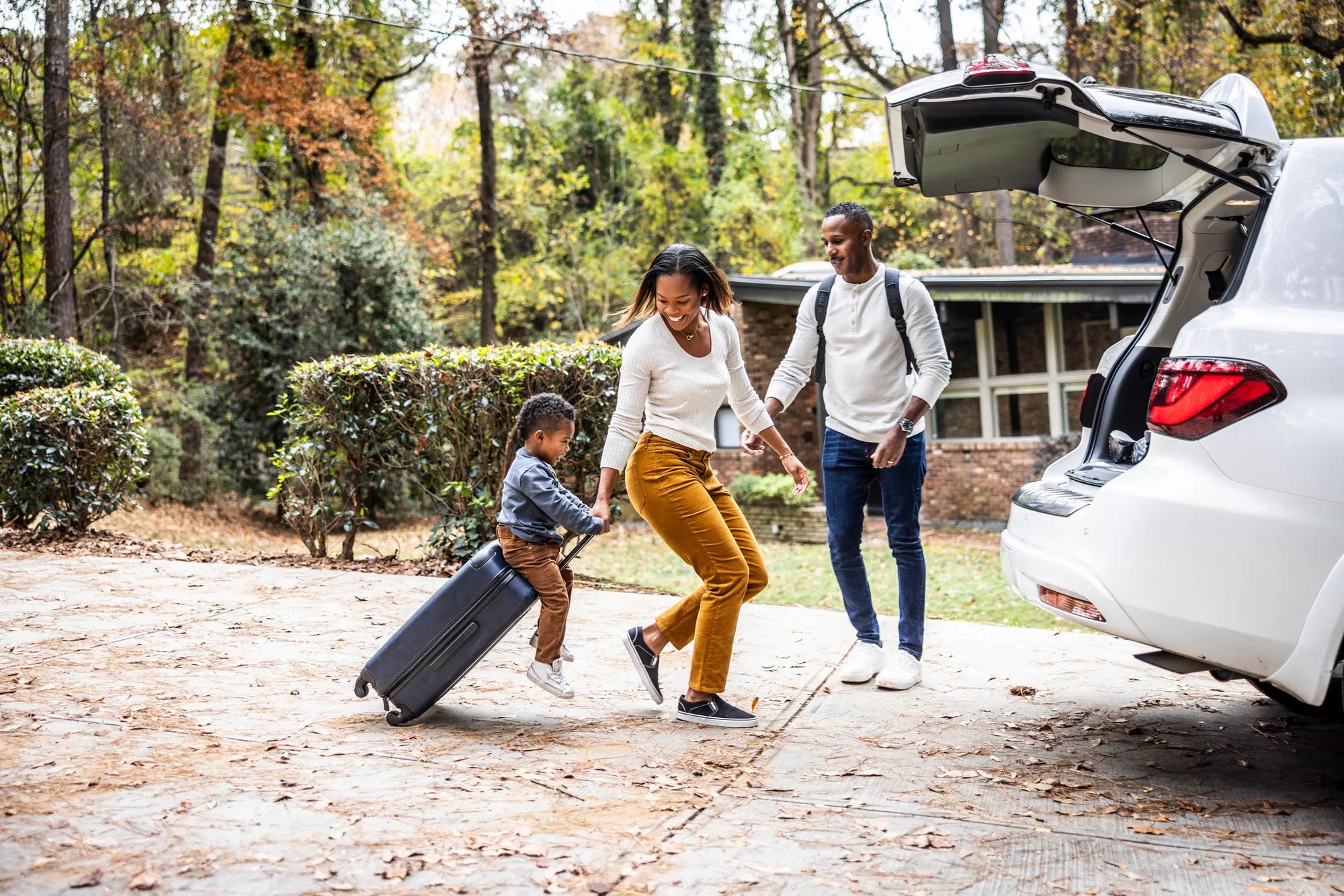
A common travel habit is trying to collect as many attractions as possible.
But travel is not a competition.
Slow Travel for Seniors encourages travellers to choose experiences that genuinely interest them.
If you love history, spend more time exploring museums, forts and heritage sites. If spirituality is important to you, choose peaceful temples, monasteries or pilgrimage destinations. If nature brings you happiness, spend more time around lakes, gardens, forests or hill towns.
The best itinerary is not the one with the most places. It is the one that feels right for you.
7. Pick Senior-Friendly Destinations
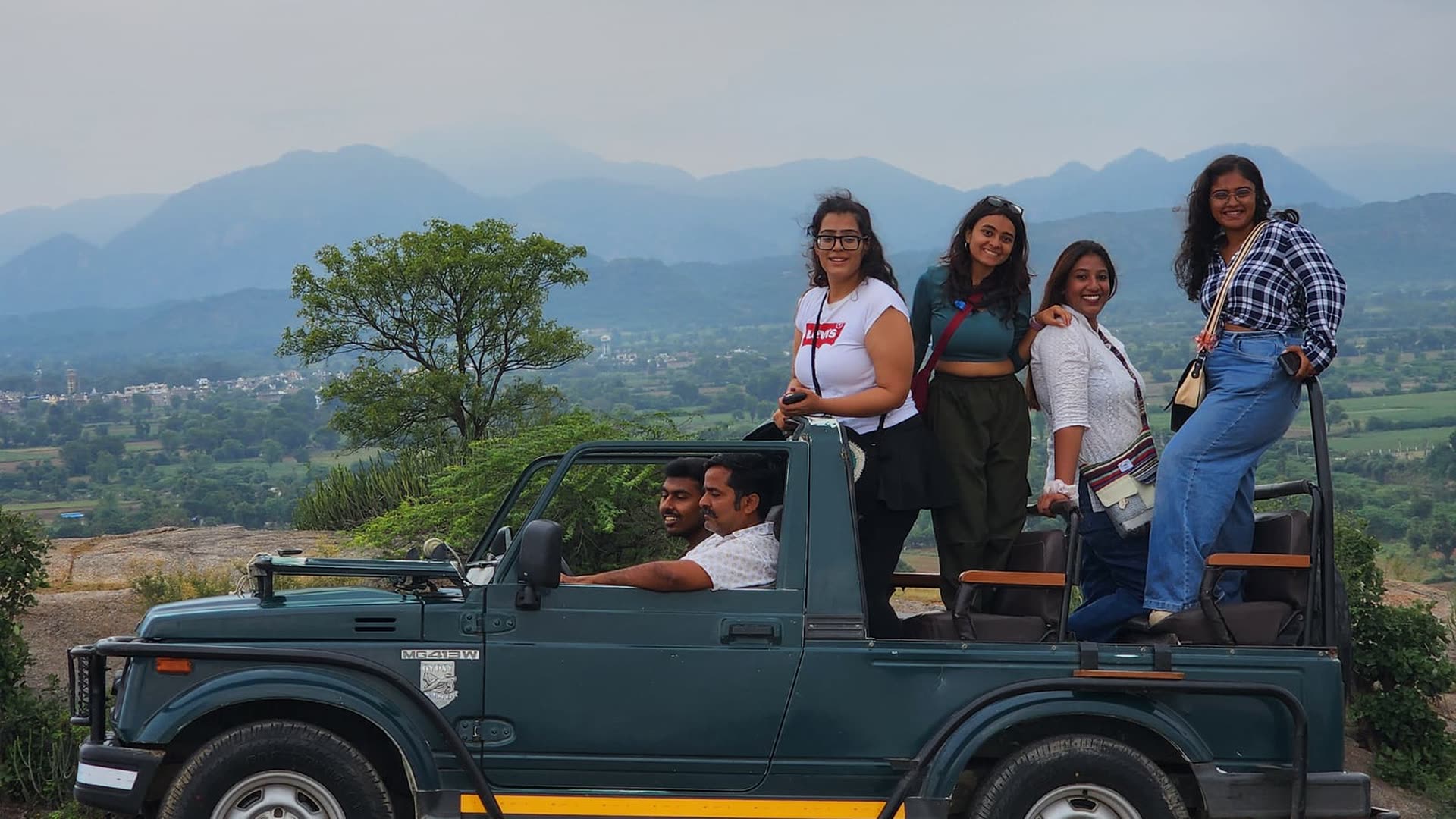
Not every destination is equally comfortable for senior travellers.
When planning Slow Travel for Seniors, look for destinations with convenient transport, comfortable accommodation, easy access to basic facilities and sightseeing options that do not require excessive walking.
Destinations such as Jaipur, Udaipur, Kerala, Mysuru, Rishikesh, Goa and parts of Himachal Pradesh can offer a mix of culture, nature and relaxation. However, the right destination ultimately depends on mobility, interests and personal comfort.
Before booking, check the distance between your hotel and attractions, availability of lifts, room facilities and transport options.
A little planning can make a big difference.
8. Keep the Itinerary Flexible

A good senior-friendly holiday should have some breathing space.
Instead of planning every hour, keep one or two flexible periods during the day. This allows you to rest if you feel tired or spend extra time somewhere you really enjoy.
For example, if you love a particular heritage site, there is no reason to hurry away simply because another attraction is scheduled.
Flexibility is one of the biggest advantages of Slow Travel for Seniors because it allows the traveller, rather than the clock, to decide the pace.
How to Plan a Comfortable Slow Travel Holiday

Planning a slower trip does not mean planning less. It means planning smarter.
Here are a few simple tips:
- Choose fewer destinations: Avoid changing hotels every day.
- Stay longer: Two or three extra nights can make a major difference.
- Keep travel time manageable: Avoid unnecessarily long road journeys.
- Plan regular breaks: Keep afternoons free when possible.
- Choose convenient hotels: Look for lifts, comfortable rooms and easy access.
- Use comfortable transport: Avoid long walks and crowded connections where possible.
- Pack light: Carry only what you genuinely need.
- Keep emergency essentials handy: Carry medicines, important documents and emergency contacts.
- Avoid overly packed sightseeing: Leave enough time between activities.
- Listen to your body: If you need rest, take it. There is always another attraction to see.
Slow Travel Is About Enjoying the Journey

The beauty of Slow Travel for Seniors is that it changes the way we think about holidays.
It reminds us that travel is not only about reaching a destination. It is also about the conversations along the way, the local food we taste, the people we meet, the photographs we take and the peaceful moments we experience.
After years of working, managing responsibilities and following busy schedules, retirement can be the perfect time to travel differently.
You do not have to see the whole city in one day.
You do not have to visit every famous attraction.
You simply need to enjoy where you are.