Today’s senior travel is changing. Retirement is no longer seen as a time to stay close to home. For many older adults, it is a chance to finally explore the places they always dreamed about.
From peaceful pilgrimages and slow-paced hill holidays to luxury cruises, wellness retreats and family getaways, travel after retirement is becoming more personal, comfortable and experience-led.
Recent 2026 research also shows that adults aged 50+ continue to place high value on travel while paying closer attention to cost, accessibility, meaningful experiences and convenience.
Travel After Retirement Is No Longer Just About Sightseeing

For today’s retirees, a holiday is not simply about ticking famous places off a list. It is about how the journey feels.
Some want to visit a temple they have dreamed of seeing for years. Others want to sit beside the sea, enjoy a comfortable cruise, explore a new culture or spend quality time with their children and grandchildren.
This is where modern senior travel is taking a new direction. The focus is shifting from rushing through several attractions to enjoying fewer places properly.
A comfortable hotel, shorter sightseeing hours, good food, easy transportation, enough rest and a helpful tour manager can often make a bigger difference than an overloaded itinerary.
1. Pilgrimages Still Hold a Special Place
 For many Indian seniors, travel has a strong spiritual side.
Destinations such as Varanasi, Ayodhya, Haridwar, Rishikesh, Tirupati, Vaishno Devi, Char Dham and Amritsar offer more than sightseeing. They can provide moments of prayer, peace and personal connection.
But the way seniors want to experience pilgrimage is changing.
Instead of exhausting journeys packed with long walks and early mornings, many prefer well-planned pilgrimage holidays with comfortable stays, manageable travel schedules, easy transfers and sufficient rest.
For this reason, comfortable senior travel packages can make spiritual journeys easier without taking away from their meaning.
What seniors often look for:
- Comfortable hotels close to important sites
- Less walking and fewer tiring transfers
- Flexible sightseeing schedules
- Experienced tour managers
- Assistance during transfers
- Time for prayer and personal visits
- Easy access to food and basic facilities
A pilgrimage should leave travellers with memories of peace—not memories of exhaustion.
2. Cruises Are Becoming a Dream Holiday
 A cruise offers something many older travellers appreciate: you unpack once and enjoy several destinations.
Instead of changing hotels every night, travellers can stay in one comfortable cabin while the ship moves from one destination to another.
Cruises can combine accommodation, dining, entertainment and sightseeing in one experience. They can also allow travellers to enjoy destinations at a more relaxed pace.
Cruising is particularly popular among travellers aged 60 and above, with international cruise travel rising among this age group in 2026.
For many retirees, that makes cruises an attractive form of senior travel—especially when comfort matters as much as the destination.
3. Slow Travel Is Replacing Rushed Itineraries

Gone are the days when every holiday needed an early morning start, five sightseeing stops and a late-night return.
Many older travellers now want slow travel.
That could mean spending three nights in one beautiful city instead of visiting three cities in three days. It could mean enjoying a morning walk, having lunch at a local restaurant, visiting one attraction and keeping the evening free. Slow travel gives seniors something extremely valuable: time.
Time to enjoy the view.
Time to have a conversation.
Time to take photographs.
Time to rest when needed.
That is why relaxed itineraries are becoming an important part of senior travel.
4. Wellness Is Becoming Part of the Holiday

Retirement can also be a time to focus on personal well-being.
For some seniors, a holiday now means more than sightseeing. It can include yoga, meditation, nature walks, spa experiences, peaceful surroundings and healthy food.
Wellness-focused trips do not have to be complicated. A peaceful hill station, a nature resort, a beach destination or a quiet spiritual retreat can provide a welcome break from everyday routines.
Travel can also encourage simple habits such as walking, spending time outdoors and slowing down.
5. Family Holidays Are About Making Memories

One of the biggest changes in senior travel is the growing importance of togetherness.
Retirees often have more freedom to travel with their children, grandchildren, siblings or close friends.
A family holiday can become an opportunity to celebrate an anniversary, birthday or milestone—or simply spend time together away from everyday responsibilities.
A beach holiday, wildlife escape, European tour or even a short domestic getaway can become a shared family story.
For many seniors, the best souvenir is not something bought at a shop. It is time spent together.
6. International Travel Is No Longer Just for the Young

Retirees are increasingly looking beyond familiar destinations.
Europe, Southeast Asia, Japan, Australia, the Middle East and other international destinations can offer culture, history, food and experiences that many seniors may have postponed during their working years.
For first-time international senior travellers, however, planning matters.
Visa requirements, airport transfers, travel insurance, currency, medicines, walking distances, weather and hotel locations should all be considered before departure.
Recent research among adults 50+ also highlights the importance of guidance, small-group tours and practical assistance for people who may be travelling internationally for the first time.
The goal of senior travel is not to avoid new experiences. It is to make those experiences easier to enjoy.
7. Comfort Is Now a Priority, Not a Luxury

One of the biggest lessons for planning senior holidays is simple: comfort matters.
A beautiful destination may not be enjoyable if travellers have to walk long distances every day, change hotels frequently or spend hours in uncomfortable transfers.
Before booking, seniors and their families should check:
Hotel: Is there a lift? Is the room easy to access?
Transport: How long are the transfers?
Sightseeing: How much walking is involved?
Food: Are suitable meal options available?
Medical needs: Are regular medicines and essential documents packed?
Pace: Is there enough time to rest?
Support: Is someone available to help if plans change?
8. Seniors Want Experiences, Not Just Photographs
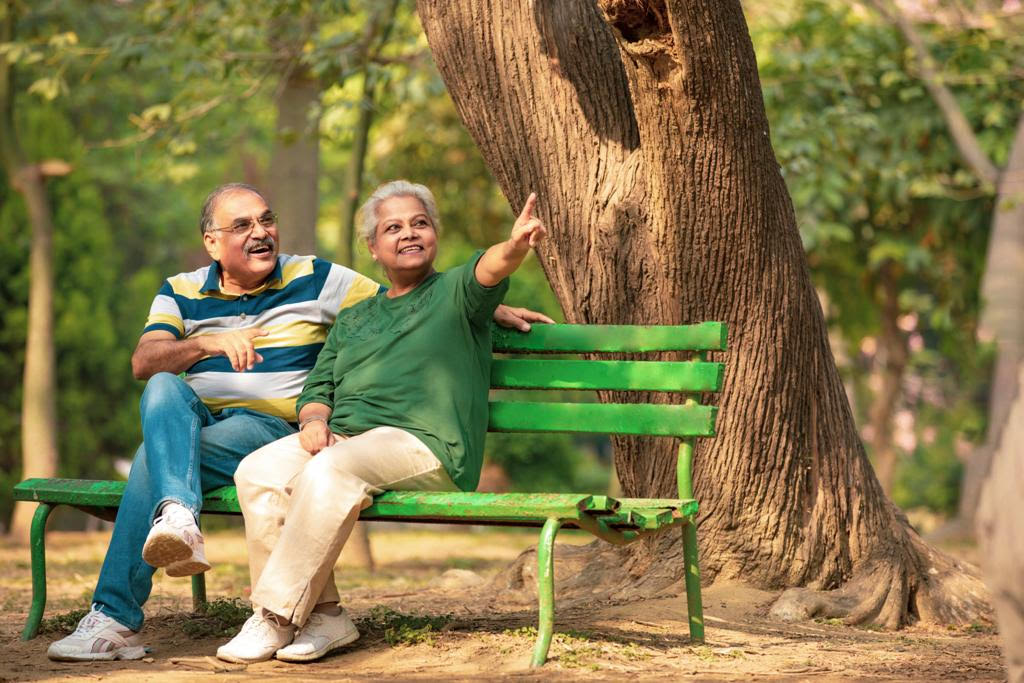 The new retiree traveller is curious.
They may want to learn how local food is prepared, attend a cultural performance, take a scenic train ride, explore a heritage site, enjoy a river cruise or simply sit in a beautiful place and watch the world go by.
This is the heart of modern senior travel.
It is about choosing experiences that match personal interests rather than following a fixed idea of what a retirement holiday should look like.
A history lover may choose Europe.
A spiritual traveller may choose Varanasi.
A nature lover may choose Kerala or the Himalayas.
A beach lover may choose Mauritius.
A cruise enthusiast may choose the Mediterranean.
A family-oriented traveller may plan a multigenerational holiday.
There is no single definition of the perfect senior holiday.
How to Plan the Perfect Senior-Friendly Holiday

A great retirement holiday does not need to be expensive or complicated. It simply needs to be planned around the traveller.
1. Choose comfort over speed
Avoid packing too many destinations into one trip.
2. Keep rest days
A free afternoon can make a big difference after a long journey.
3. Pick the right hotel
Look for lifts, easy access, comfortable rooms and convenient locations.
4. Plan transport carefully
Long road journeys and frequent hotel changes can become tiring.
5. Keep important documents ready
Carry passports, visas, insurance details, emergency contacts and medical information safely.
6. Consider travel insurance
Insurance can provide useful protection when unexpected situations arise.
7. Share the itinerary
Family members should know the basic travel plan, hotel details and emergency contacts.
8. Pack smart
Comfortable footwear, essential medicines, lightweight luggage and weather-appropriate clothing can make the trip easier. Recent travel guidance for adults over 50 also recommends focusing packing choices on comfort, health and mobility.
Because the best time to explore is not defined by age.
It is defined by the desire to experience something new.